

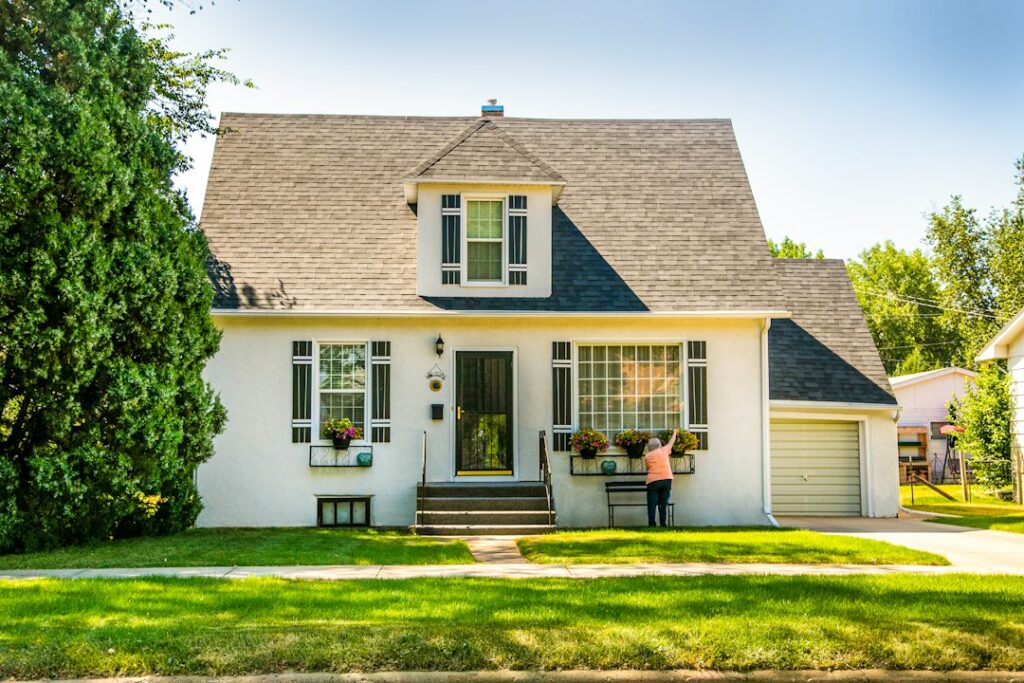
Buying a first home can feel complicated because several decisions happen at once: financing, property searches, inspections, paperwork, and timing. A smoother purchase usually comes from handling those steps in the right order rather than rushing to make an offer.
What should first-time buyers do before looking at homes?
Start with a realistic budget, a review of your credit and debts, and a conversation with a lender about possible financing. A home search is more useful after you know the approximate payment range you can manage.
The monthly mortgage payment is only one part of the cost. A complete housing budget may include:
- Principal and interest
- Property taxes
- Homeowners insurance
- Mortgage insurance, if required
- Utilities and routine maintenance
- Association dues, if applicable
- Seasonal expenses such as snow removal or heating
A lender’s maximum approval is not necessarily a comfortable household budget. Consider how the payment would affect savings, transportation, childcare, repairs, and other recurring expenses.
Before applying for financing, review credit reports for errors and avoid taking on new debt if possible. Large purchases, new credit accounts, or changes in employment can affect loan approval and should be discussed with the lender before they occur.
How much money is needed to buy a home?
The down payment is only one part of the cash needed at closing. Buyers may also need funds for inspections, an appraisal, lender fees, title-related charges, prepaid taxes or insurance, and an initial reserve for repairs or household necessities.
A smaller down payment can make ownership possible sooner, but it may increase the monthly payment or add mortgage insurance. A larger down payment may reduce borrowing costs while leaving less cash available after closing. The right choice depends on income stability, savings, debt, and expected repairs.
Ask for a written estimate of closing costs early in the process. Buyers should also clarify which costs are expected before closing and which are included in the final settlement statement.
Keeping an emergency reserve is especially useful for a first home. Even a well-maintained property may need a replacement appliance, plumbing repair, seasonal maintenance, or an unexpected insurance deductible.
What should buyers look for in Troy, OH homes?
A home should be evaluated as a building and as part of its surrounding setting. In Troy, buyers may encounter a mix of older houses, newer construction, established neighborhoods, and properties with different levels of maintenance.
During showings, look beyond paint colors and furniture. Pay attention to:
- Roof age and visible signs of wear
- Basement or crawl-space odors, staining, or moisture
- Grading around the foundation
- Window condition and drafts
- Electrical panels, outlets, and visible wiring
- Plumbing age and water pressure
- Heating and cooling equipment
- Attic insulation and ventilation
- Driveway, sidewalks, retaining walls, and drainage areas
Seasonal conditions can reveal issues that are less obvious during a quick visit. Snow, freezing temperatures, spring rainfall, and summer humidity may affect roofs, gutters, basements, exterior steps, and heating or cooling systems.
Noise, traffic patterns, parking, distance to daily destinations, and the condition of nearby streets can also influence long-term satisfaction. Visit the area at more than one time of day when possible, and consider how the property would function during winter weather or heavy rain.
How does the offer process work?
An offer is more than a proposed price. It usually includes the purchase amount, earnest money, financing terms, requested closing date, inspection provisions, appraisal language, and other conditions.
A competitive offer does not always mean removing protections. Buyers should understand what each term means before agreeing to it. Inspection and financing provisions can help limit risk, while deadlines determine how quickly decisions must be made.
Earnest money is generally credited toward the buyer’s costs at closing, but the contract should explain when it may be returned or forfeited. The exact rules depend on the agreement and the circumstances of the transaction.
Before submitting an offer, compare the likely monthly payment—not just the sale price—with the household budget. A property that appears affordable at the offer stage may become difficult if taxes, insurance, repairs, or interest costs are higher than expected.
Why is the home inspection important?
A home inspection is designed to identify observable conditions, not guarantee that a house will never have problems. It may reveal defects involving structure, roofing, moisture, electrical systems, plumbing, heating, cooling, insulation, or safety features.
Buyers should attend the inspection if permitted and ask questions about maintenance priorities. Not every finding requires a request for repairs. Some issues are minor, while others affect safety, water intrusion, structural performance, or the expected cost of ownership.
Special inspections may be appropriate when the property has features such as a private well, septic system, older structural components, extensive additions, a fireplace, or signs of water movement. Testing for environmental conditions may also be considered based on the property’s age and characteristics.

The inspection period is also a time to review documents, insurance availability, disclosures, and any neighborhood or property restrictions. Waiting until the final days of the transaction can make it harder to respond to a significant concern.
What should happen before closing?
The final stage is mainly about confirming that the property, financing, and paperwork are ready. Buyers should respond promptly to lender requests and review closing documents carefully.
Before closing, confirm:
- The loan terms and estimated monthly payment
- The amount needed to bring to closing
- The ownership names shown on documents
- Property tax and insurance arrangements
- Any agreed repairs or credits
- Utility transfer responsibilities
- The expected possession date
- Instructions for delivering funds safely
A final walk-through is usually completed shortly before closing. This is not a second home inspection. It is an opportunity to verify that the property is in generally the agreed condition, requested repairs were addressed, and included items remain in place.
Buyers should be cautious with payment instructions received by email. If wiring money is required, independently verify the instructions using a trusted phone number rather than relying only on an emailed message.
What common mistakes should first-time buyers avoid?
Several problems are preventable with early planning:
- Shopping at the lender’s maximum approval instead of a comfortable budget
- Using all savings for the down payment
- Skipping an inspection to make an offer appear stronger
- Assuming every repair will be inexpensive
- Ignoring property taxes, insurance, or utility costs
- Making large purchases before closing
- Failing to read deadlines in the purchase agreement
- Treating a desirable neighborhood as proof of good property condition
- Waiting too long to ask questions about unfamiliar documents
A first home does not need to be perfect. It needs to fit the household’s finances, daily routines, maintenance capacity, and expectations for the next several years. Clear budgeting, careful property review, and attention to contract deadlines can make the process more manageable from the first conversation through closing.