

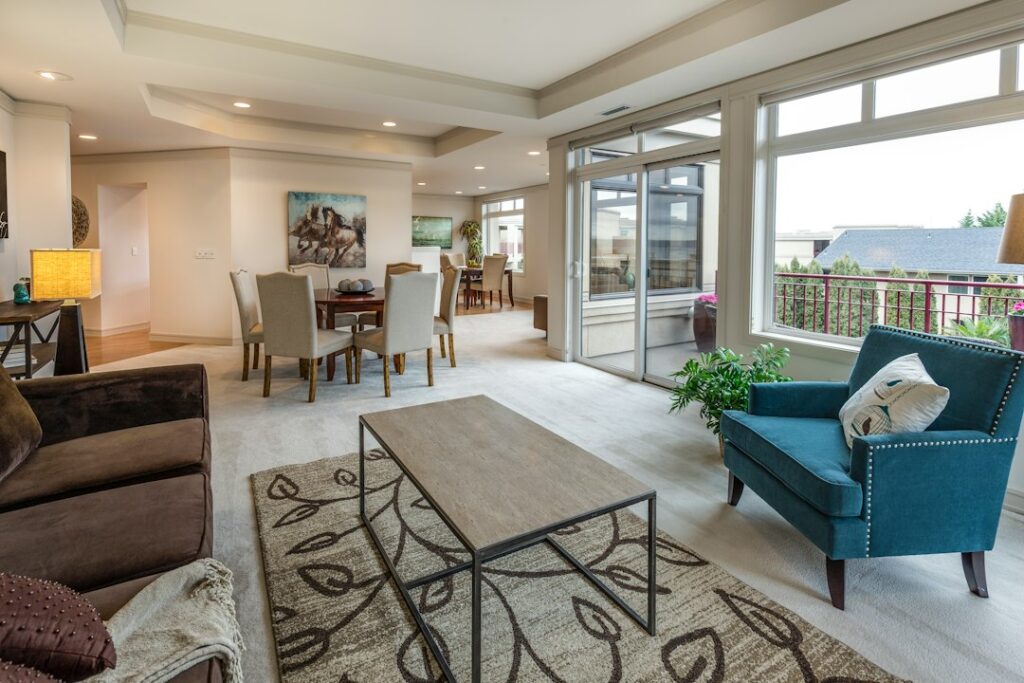
A well-staged home helps buyers understand how the space works, notice its best features, and imagine living there. Staging does not require expensive furniture or a complete renovation. In many cases, the most effective improvements involve cleaning, editing belongings, improving flow, and making the home feel comfortable without making it look overly personalized.
What does home staging actually involve?
Home staging is the process of preparing a property so its layout, condition, and useful features are easy to understand. It is different from decorating a home for personal taste. The goal is to create a neutral, orderly setting that allows buyers to focus on the home itself.
Staging usually includes:
- Removing excess furniture and belongings
- Arranging rooms around their intended purpose
- Improving cleanliness and lighting
- Making small repairs and appearance updates
- Reducing highly personal or distracting decorations
- Creating a welcoming exterior and entryway
A staged home should still feel lived in, but it should not make buyers work to see past clutter, unusual furniture arrangements, or strong design choices.
Where should sellers begin?
The best starting point is not buying decorations. Begin with a room-by-room review of what can be removed, repaired, cleaned, or rearranged.
Walk through the home as if seeing it for the first time. Look for areas where:
- Furniture blocks windows, walkways, or architectural features
- Closets, cabinets, or counters appear overcrowded
- Several rooms serve multiple purposes without a clear primary use
- Walls, trim, doors, or floors show noticeable wear
- Personal collections or photographs draw attention away from the space
- Odors suggest moisture, pets, cooking, smoke, or stored materials
Taking photographs of each room can reveal issues that are easy to overlook in person. Images often make crowded corners, uneven furniture placement, and dark areas more noticeable.
How can furniture placement make rooms look larger?
Furniture should support a clear walking path and show the purpose of each room. Oversized pieces can make a room feel smaller, even when the room itself has reasonable dimensions.
In living areas, leave enough space to move naturally between doors, seating, and nearby rooms. Avoid pushing every piece tightly against the walls if doing so creates an awkward center area. In bedrooms, make the bed the visual anchor and keep nightstands or other furniture proportional to the room.
For smaller homes or rooms with flexible uses, avoid filling every corner. Buyers generally benefit from seeing open floor area because it helps them estimate the room’s scale and imagine different arrangements.
If a room has more furniture than it needs, temporarily storing some items may be more effective than trying to rearrange everything. Storage should be clean, dry, and safe, particularly during periods of high humidity, freezing temperatures, or heavy seasonal weather.
What should be done with clutter and personal items?
Decluttering should make storage areas look usable, not empty. Remove items that are rarely used, then organize what remains so shelves, closets, cabinets, and basement areas are easy to inspect.
Useful targets include:
- Kitchen counters, except for a few practical items
- Bathroom counters and shower edges
- Entryways, stair landings, and hallways
- Open shelving and entertainment centers
- Bedroom dressers and nightstands
- Closets that are filled from floor to ceiling
- Garages, utility rooms, and unfinished storage areas
Personal photographs, awards, political materials, and highly distinctive decorations do not necessarily harm a sale, but reducing them can help buyers concentrate on the property. The same applies to strong colors or themed rooms. Neutralizing does not mean making every surface white; it means limiting visual distractions.
How important are cleaning and minor repairs?
Cleanliness is one of the most noticeable parts of staging because buyers often interpret visible dirt or neglected maintenance as a sign that larger problems may exist. Focus on surfaces and areas that are frequently missed during routine cleaning.
Pay attention to:
- Windows and screens
- Light fixtures and ceiling fans
- Baseboards, doors, and trim
- Kitchen appliances and cabinet fronts
- Grout, caulk, and bathroom ventilation areas
- Floors beneath furniture
- Exterior entry surfaces and porch areas
Minor repairs can also improve buyer confidence. Tighten loose handles, replace burned-out bulbs, repair sticking doors, touch up scuffed walls, and address dripping faucets. These tasks are not substitutes for correcting significant defects, but they can prevent small distractions from shaping a buyer’s overall impression.
Safety issues deserve special attention. Exposed wiring, loose railings, damaged steps, active leaks, and blocked exits should be addressed appropriately rather than hidden with decoration.
How does lighting affect a staged home?
Good lighting makes rooms easier to evaluate and can make the home feel more comfortable. Use a combination of natural light and working interior fixtures.

Before showings or photographs:
- Open curtains and blinds where privacy and condition allow
- Clean windows so available daylight is not reduced
- Replace mismatched or burned-out bulbs
- Use consistent light color within the same room
- Turn on lights in darker hallways, basements, and corners
- Keep lamps positioned where they provide useful illumination
In a community with changing seasonal light and cloudy winter days, interior lighting can have an especially noticeable effect. A room that looks acceptable in bright summer daylight may appear much darker during shorter winter afternoons.
Avoid covering windows with heavy materials unless they are needed for privacy or to conceal a genuine problem. Buyers generally want to understand the amount of natural light and the views from major rooms.
What exterior improvements have the most impact?
The exterior is the first part of the property many buyers see. It does not need to look elaborate, but it should appear maintained and easy to approach.
Clear walkways, sweep entry areas, remove leaves or debris, and keep visible landscaping trimmed. During colder months, address snow and ice promptly where practical. In warmer months, mow regularly and keep overgrown plants from covering windows, steps, or house numbers.
Check the front door, porch lighting, railings, and visible siding or trim. Simple improvements such as washing a dirty entry surface, replacing a worn welcome mat, or removing unnecessary objects from the porch can make the entrance feel more orderly.
Do not forget side doors, garages, patios, sheds, and other areas buyers may inspect. Exterior storage should be arranged so buyers can see the condition and practical use of the space.
Should every room be staged?
Every room does not need to look professionally decorated, but every space should have a clear purpose. An empty room can appear smaller or less useful than it really is, while a room filled with unrelated items can confuse buyers.
For example, a spare bedroom used for storage may be easier to understand if it is edited to show a simple bedroom, office, or flexible-use arrangement. A basement should be clean, dry, and organized even if it is unfinished. Utility equipment should remain accessible, and signs of moisture should never be covered.
If a room has an unusual layout, use furniture placement to show possible functions without claiming that the space can be used for something it cannot safely or legally support.
What staging choices should be avoided?
Avoid spending heavily on updates that reflect personal taste but may not appeal broadly. Buyers may not value expensive decorative changes if more practical concerns remain, such as deferred maintenance, poor lighting, or crowded rooms.
Common mistakes include:
- Using too much furniture
- Hiding defects instead of correcting them
- Filling every surface with decorations
- Using strong air fresheners to mask odors
- Leaving pet items, litter areas, or food bowls visibly unclean
- Creating rooms that have no clear purpose
- Ignoring garages, basements, attics, and outdoor areas
- Removing useful fixtures or features simply to make the home look sparse
Staging should present the home honestly. The purpose is to improve understanding and presentation, not to conceal condition or create expectations the property cannot meet.
How should staging change before photographs or showings?
For photographs, remove temporary clutter such as mail, charging cords, trash containers, pet supplies, and excess countertop items. Turn on lights, open appropriate window coverings, straighten bedding, and make sure toilets, mirrors, and reflective surfaces are clean.
Before an in-person showing, check odors, indoor temperature, lighting, and floor condition. Secure valuables and sensitive documents. If weather has made entryways wet or muddy, clean those areas and keep paths as safe as possible.
A staged home does not need to look untouched. It should look cared for, functional, and easy to understand. That balance is especially useful for area households where buyers may compare older homes, updated properties, townhomes, and homes with unfinished or flexible spaces.